Why Venting a Bathroom Fan Into the Attic Creates Hidden Moisture Problems
It seems harmless, but venting a bathroom fan into the attic is a shortcut that can lead to serious moisture issues
Many homeowners think routing the exhaust from a bathroom fan into the attic is a practical solution. It avoids cutting through the roof or a sidewall, and the attic seems like a big enough space to absorb the warm, damp air. Unfortunately, that assumption is almost always wrong. Venting a bathroom fan into the attic does not remove moisture from the house; it simply moves it to a place where it can do significant damage. Over time, that trapped moisture creates the perfect conditions for mold growth, wood rot, and compromised insulation. For anyone concerned about indoor air quality or structural integrity, understanding why this practice causes trouble is an essential part of any thorough bathroom mold inspection.
When you take a hot shower, the fan pulls out air that is heavily loaded with water vapor. That vapor needs to go somewhere outside the living space. If the fan dumps it into the attic, the warm, humid air hits the cooler surfaces up there - roof sheathing, rafters, insulation - and condenses into liquid water. The attic is not designed to handle repeated, concentrated doses of moisture like a bathroom produces. Over weeks and months, that condensation soaks into wood and other porous materials, creating a damp environment where mold spores, which are always present in the air, can settle and grow. This is not a theoretical risk; it is a very common finding during a bathroom mold inspection in older or poorly remodeled homes.
A bathroom mold inspection that includes checking the attic can often trace the source of a mold problem back to this exact setup. The mold itself might not be visible in the bathroom if the tile and grout are clean, but the musty smell or a recurring issue with peeling paint on the ceiling could point to moisture coming from above. A professional inspector knows to look for signs of condensation on the underside of the roof deck, water stains on rafters, or damp insulation near the fan duct outlet. These are clear indicators that the bathroom fan is not doing its job properly. The solution is not complicated, but it does require rerouting the exhaust duct to the outdoors through a roof cap or a wall vent. Until that happens, the moisture cycle continues, and the mold problem will keep coming back no matter how thoroughly you clean the bathroom surfaces.
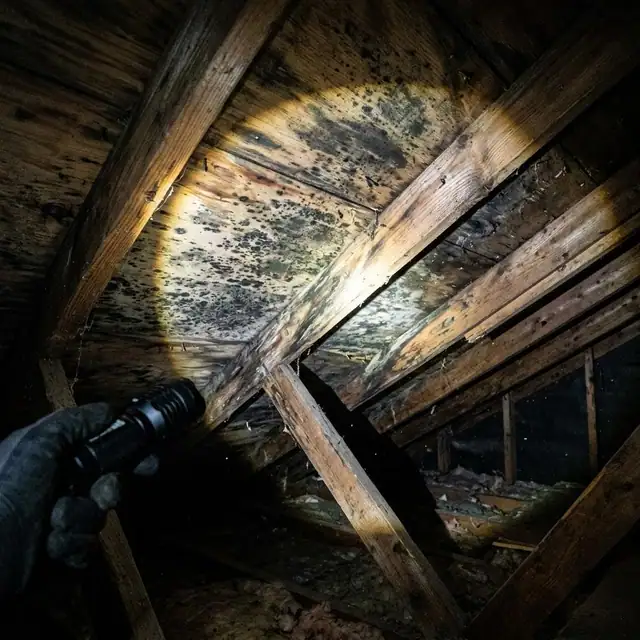
The damage from attic-vented bathroom fans goes beyond mold. The condensed moisture can soak into fiberglass or cellulose insulation, reducing its R-value and making your home less energy efficient. Wet insulation also loses its ability to keep the attic temperature stable, which can lead to ice dams in winter or extra heat gain in summer. The wood framing, especially the roof sheathing, can begin to rot if it stays damp for extended periods. This kind of structural damage is expensive to repair and can compromise the safety of the roof. A bathroom mold inspection that ignores the attic is incomplete. The hidden moisture from a misrouted fan is one of the most common reasons mold appears in areas that seem dry and clean from inside the bathroom.
Another layer to this problem is that many building codes explicitly forbid venting a bathroom fan into an attic. The International Residential Code (IRC) requires that bathroom exhaust be discharged directly to the outdoors. Venting into an attic, crawl space, or any other enclosed area does not meet code. If you are buying a home or planning a renovation, this is something a home inspector or a mold specialist will flag. During a bathroom mold inspection, the inspector will often check the ductwork and its termination point. If the duct ends in the attic, that is a red flag that needs to be addressed. Not only does it create a mold risk, but it can also cause issues when you try to sell the house or file an insurance claim for water damage. Insurers may deny coverage if they find that the moisture problem was caused by a code violation.
For homeowners who already have this setup, the fix is straightforward but involves some work. The duct from the fan needs to be rerouted so it exits through the roof or a gable wall. In some cases, the fan itself may need to be upgraded to one with enough static pressure to push air through a longer duct run. A bathroom mold inspection often includes recommendations for ventilation improvements, and this is one of the most impactful changes you can make. Once the exhaust goes outside, the bathroom dries out faster, the attic stays dry, and the mold cycle is broken. The cost of rerouting is usually far less than the cost of repairing rotted roof sheathing or remediating widespread attic mold.
There is also the question of what happens when the fan is not powerful enough or the duct is not insulated. Cold attic air can cause condensation to form inside the duct itself, which then drips back down into the fan housing or onto the attic floor. This creates a persistent wet spot that feeds mold right above the bathroom ceiling. A bathroom mold inspection that includes a look at the duct insulation and slope can catch these details. The duct should slope slightly downward toward the exterior termination so any condensation drains outside, not back into the house. Insulating the duct helps keep the air inside warm enough to avoid condensation until it exits. These are small details, but they make a big difference in whether the system works or causes problems.
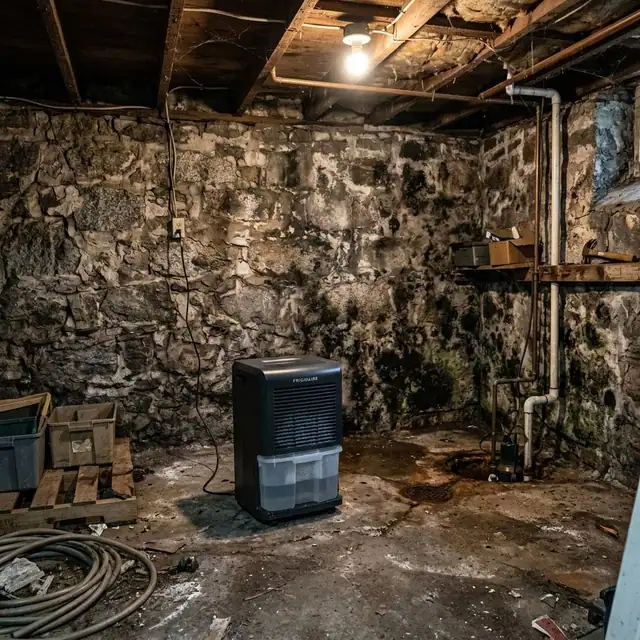
Mold Removal Boston Pros Bathroom Mold Remediation services often encounter homes where attic-vented fans are the root cause of recurring mold. The moisture pattern is so predictable that experienced remediators can spot it from the bathroom ceiling stains alone. Once the attic is inspected and the duct is rerouted, the mold problem in the bathroom often resolves on its own, without the need for extensive chemical treatments. That is because removing the moisture source is the most effective way to control mold. Surface cleaning and painting over stains will not work if the attic continues to pump humid air into the structure every time someone showers. A bathroom mold inspection that addresses ventilation is the only lasting solution.
For homeowners who are trying to maintain their property or prepare it for sale, checking the bathroom fan exhaust should be a priority. If the fan vents into the attic, the problem is not limited to mold. The moisture can also attract wood-destroying insects like carpenter ants or termites, which prefer damp wood. The combination of mold and insect damage can significantly reduce the value of a home. A professional bathroom mold inspection will include a visual check of the attic space, and the inspector can advise on the best way to reroute the duct. In many cases, the work can be done by a handy homeowner or a general contractor, but it is important to follow local building codes and use the correct materials.
Mold Removal Boston Pros Bathroom Mold Remediation professionals see this issue in many different types of homes, from older colonials to newer condos. The fix is the same regardless of the age or style of the house. The key is to stop treating the attic as a dumping ground for moist air. Once the exhaust goes outside, the attic stays dry, the insulation retains its effectiveness, and the bathroom stays mold-free. A thorough bathroom mold inspection will always include a look at the fan ductwork and its termination point. If the duct ends in the attic, that is the first thing that needs to change. The rest of the remediation work will be much more effective after the moisture source is eliminated.
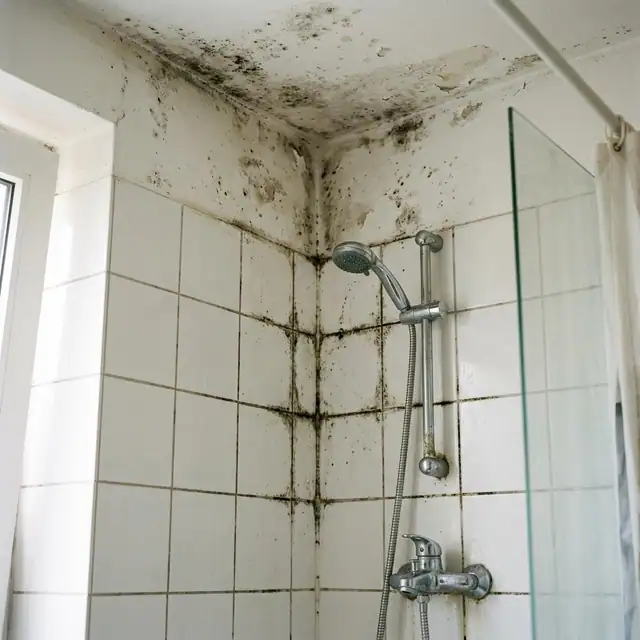
In summary, venting a bathroom fan into the attic is a mistake that creates a hidden moisture problem. It leads to mold growth, wood rot, insulation damage, and potential code violations. The only proper way to vent a bathroom fan is to run the duct all the way to the outdoors. A bathroom mold inspection should always include an attic check to catch this issue. Fixing it is not expensive or difficult, but ignoring it will cost far more in repairs and health concerns over time. If you suspect your bathroom fan is vented into the attic, have it inspected and rerouted as soon as possible. Your home and your lungs will thank you.